This is not just about going paperless. It is about rewiring who holds power in the digital economy. Below is a tour of the key building blocks.
Table of Contents
1. UPI: Democratization of Digital Payments
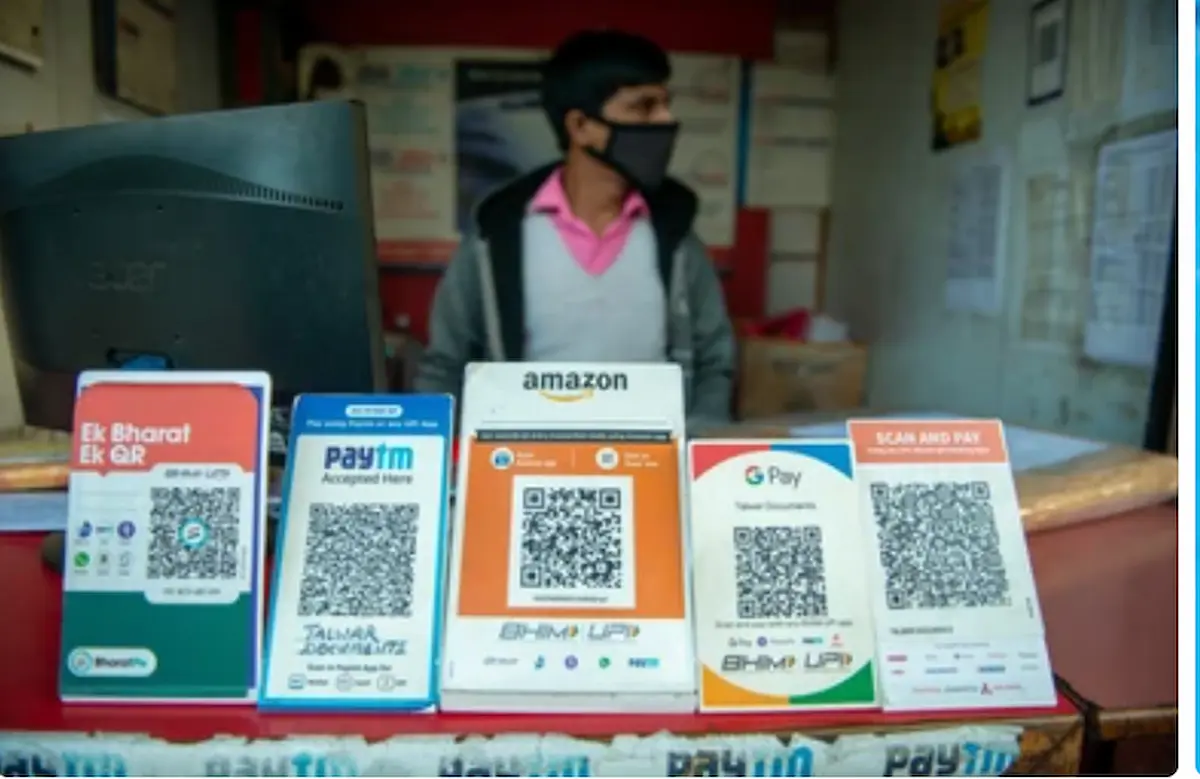
Its a payment integrated platform made by indian govt to allow private players to build and integrate there own apps with upi like paytm,phonepe,googlepay,bharatpay etc Indian govt made a team of experts to democratize softwares in india for the public use to give democratized platforms and give access to common man through lateral entry experts into the govt like nandan Nilekani infosys co-founder by leading a committee in 2012 .unified Payments Interface (UPI) turned India into one of the world’s largest real-time payments markets. Any bank or app can plug into the same protocol and send money to any other. This killed the old model of closed, high-fee card networks and made it normal for a tea stall or auto driver to accept digital payments. Read the full deep-dive on UPI →
2. ONDC: Democratization of E-Commerce
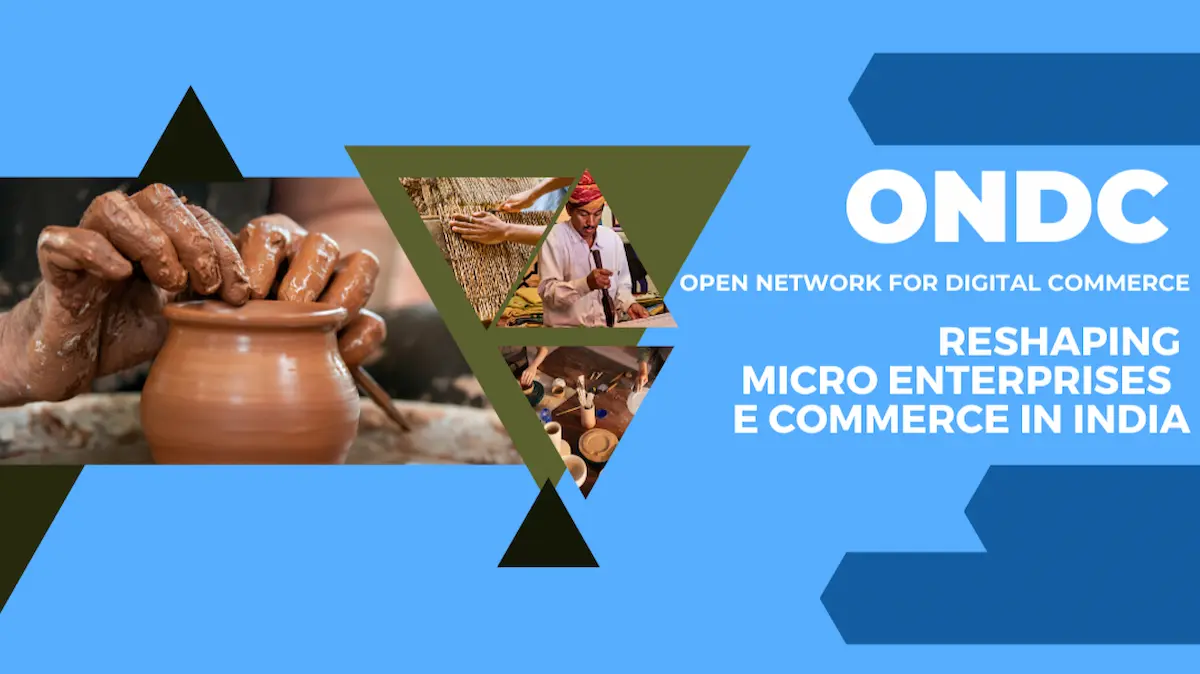
The Open Network for Digital Commerce (ONDC) tries to do for e-commerce what UPI did for payments. Today, a few marketplaces decide who gets visibility, what fees are charged and which sellers survive like amazon,flipkart,meesho,myntra. ONDC instead defines an open protocol where many buyer apps, seller apps and logistics providers interoperate. A small restaurant or kirana store can appear on multiple apps without paying gatekeeping commissions to one dominant platform. Read the full deep-dive on ONDC →
3. Aadhaar (UIDAI): Democratization of Identity
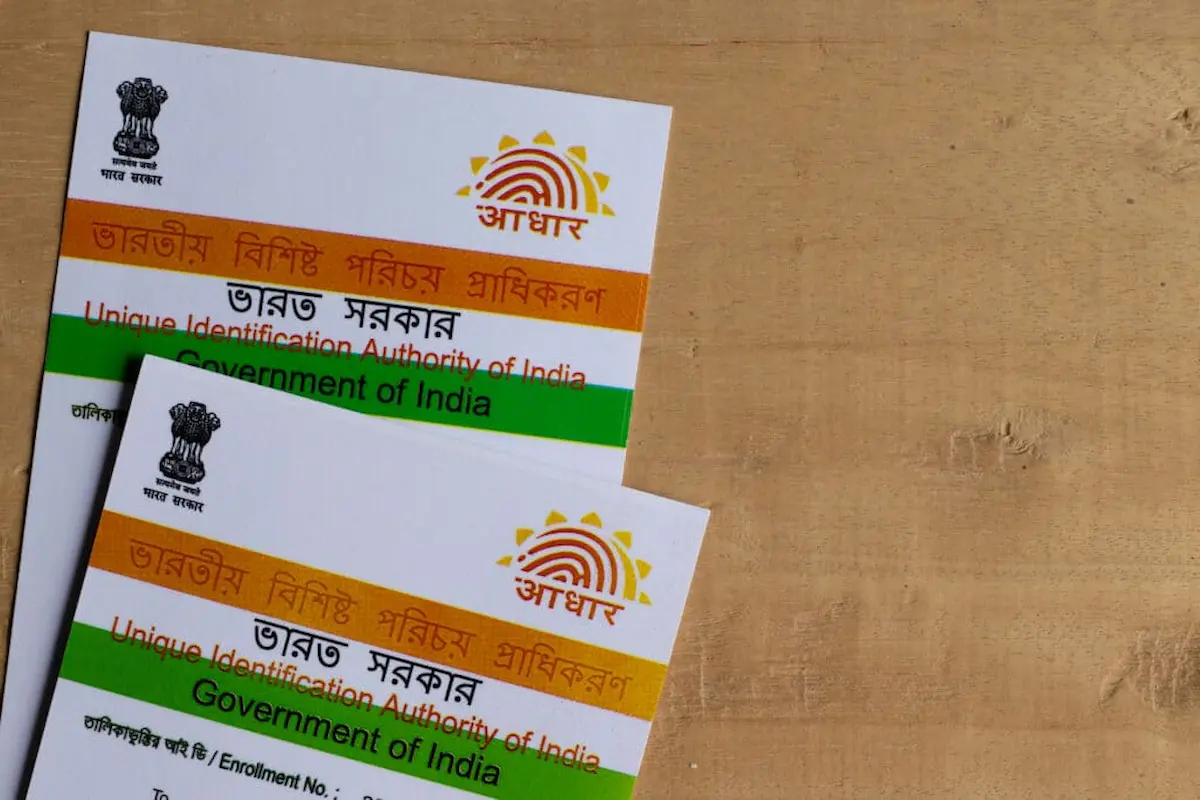
Aadhaar is a digital identity layer that allows individuals to prove who they are, online or offline, with high confidence. It cut leakages in welfare schemes, reduced fake or duplicate beneficiaries and made it easier to open bank accounts or access telecom services. Instead of every private company maintaining its own fragile ID system, Aadhaar provides a shared, verifiable foundation. Read the full deep-dive on Aadhaar →
4. OCEN: Democratization of Credit
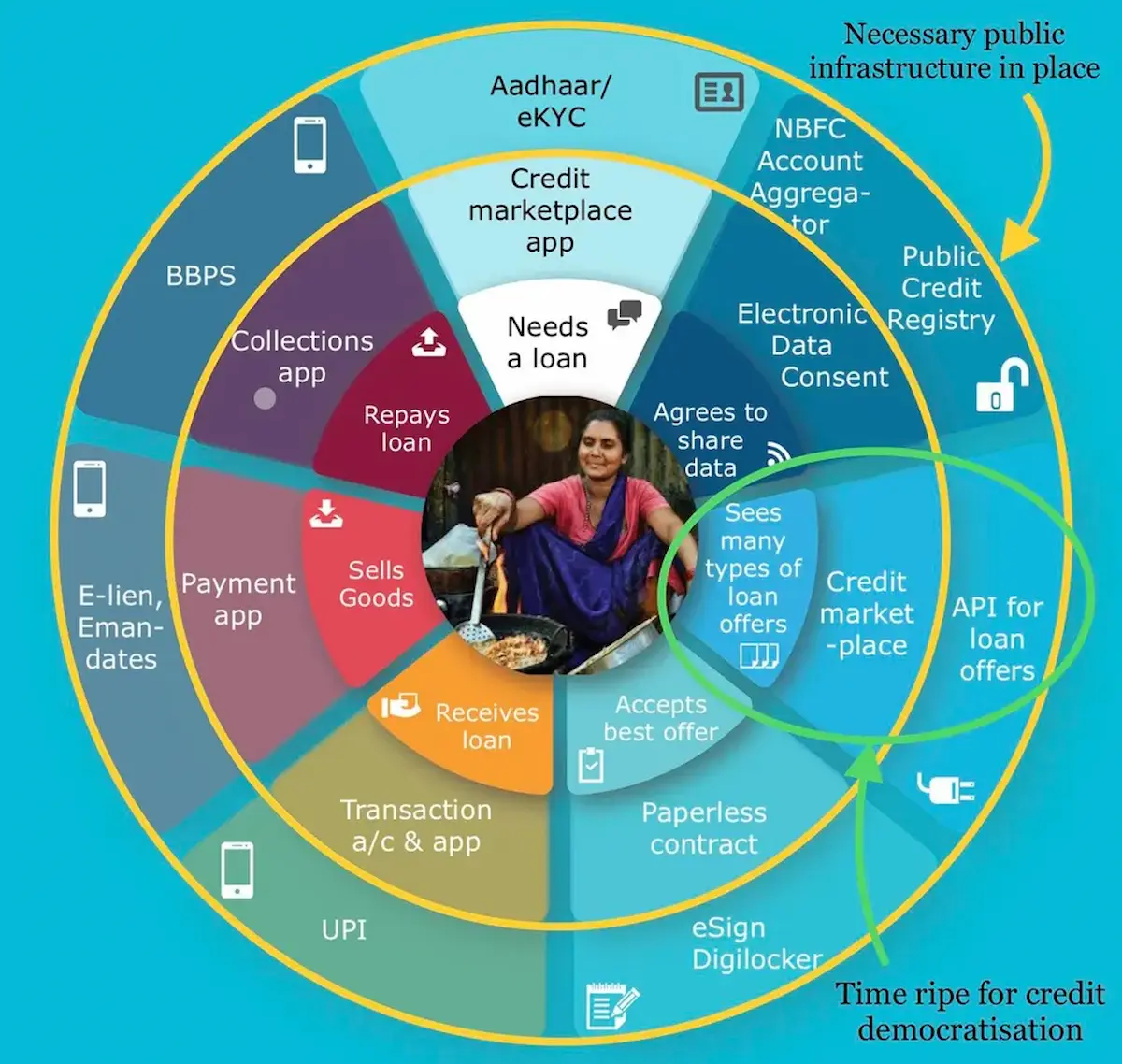
The Open Credit Enablement Network (OCEN) aims to unlock small-ticket loans for millions of informal workers and micro-businesses. By using cash-flow data from platforms and bank accounts, lenders can underwrite borrowers who lack traditional collateral. This challenges the old model where credit was reserved for large, asset-rich firms. Read the full deep-dive on OCEN →
5. DigiLocker: Democratization of Documents
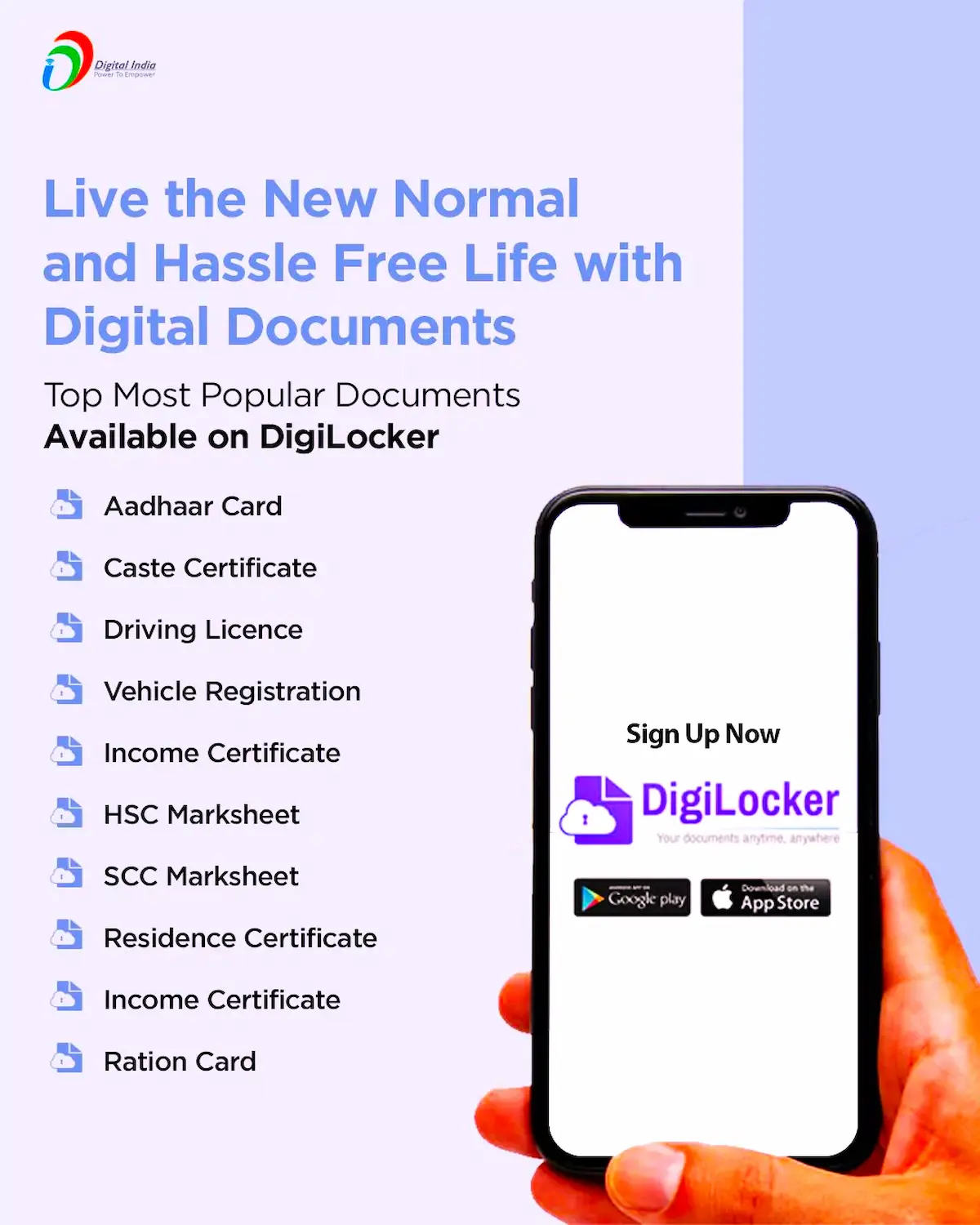
DigiLocker acts as a secure digital wallet for official documents: Aadhaar, driving licence, educational certificates and more. Citizens no longer need to carry bundles of paper, and institutions can instantly verify authenticity. It reduces middlemen, forgery and time wasted in queues. Read the full deep-dive on DigiLocker →
6. Digi Yatra: Democratization of Airport Services
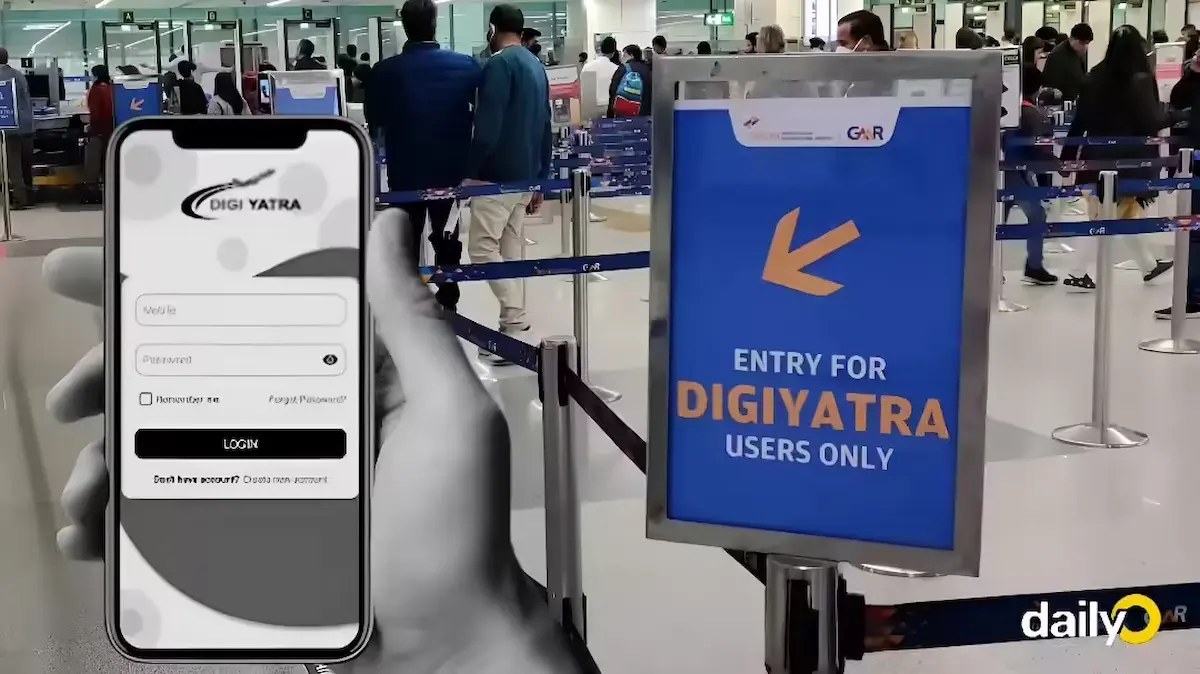
Digi Yatra uses digital identity for seamless airport journeys — moving from entry gate to boarding without repeated document checks. In the long term, a standardized, privacy-aware framework can prevent each airport or airline from locking passengers into its own proprietary ID system. Read the full deep-dive on Digi Yatra →
7. iDEX: Democratization of Defence Innovation

Innovations for Defence Excellence (iDEX) opens defence procurement to startups, MSMEs and non-traditional players. Instead of only a few legacy vendors building everything, the armed forces can source niche technologies from many innovators, increasing competition and reducing costs. Read the full deep-dive on iDEX →
8. GeM: Democratization of Government Procurement

The Government e-Marketplace (GeM) is a platform where government departments buy goods and services. It replaces opaque offline tendering with a digital system that small suppliers can access. Prices are visible, middlemen are reduced and corruption becomes harder to hide. Read the full deep-dive on GeM →
9. ULIP: Democratization of Logistics
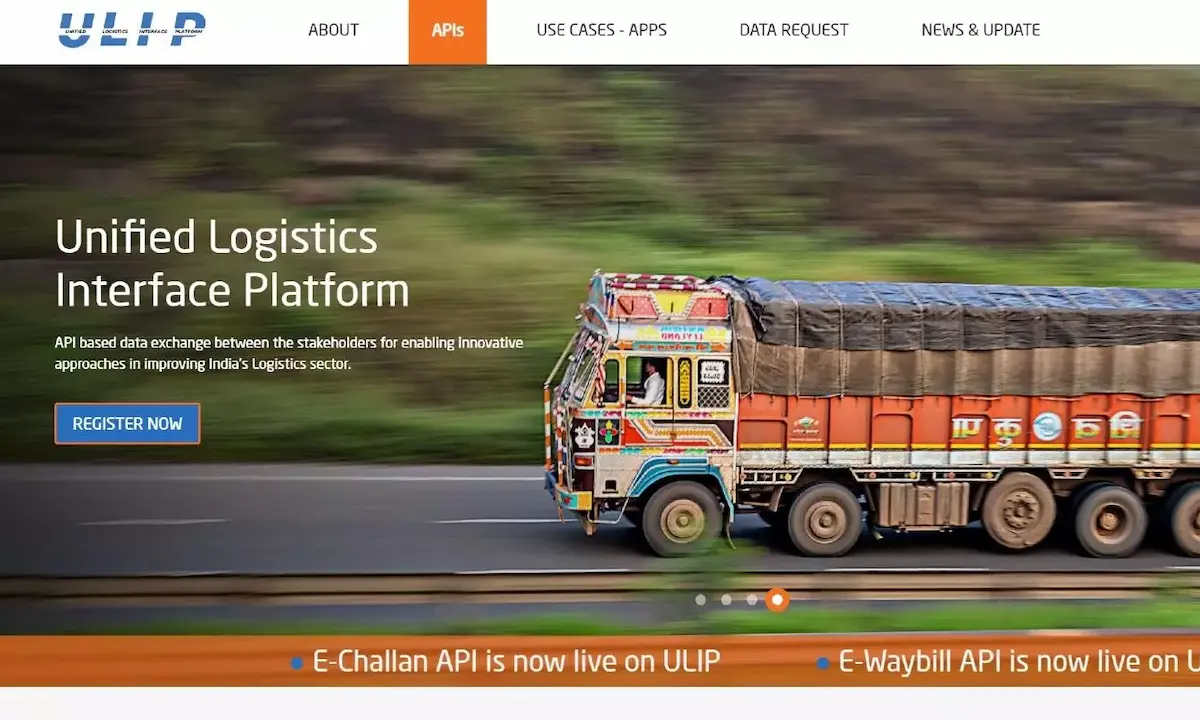
The Unified Logistics Interface Platform (ULIP) integrates data from ports, airports, railways and road transport. Instead of each node guarding its own siloed information, ULIP allows authorized players to see end-to-end shipment status, improving efficiency and reducing delays. Read the full deep-dive on ULIP →
10. DBT: Democratization of Welfare Delivery
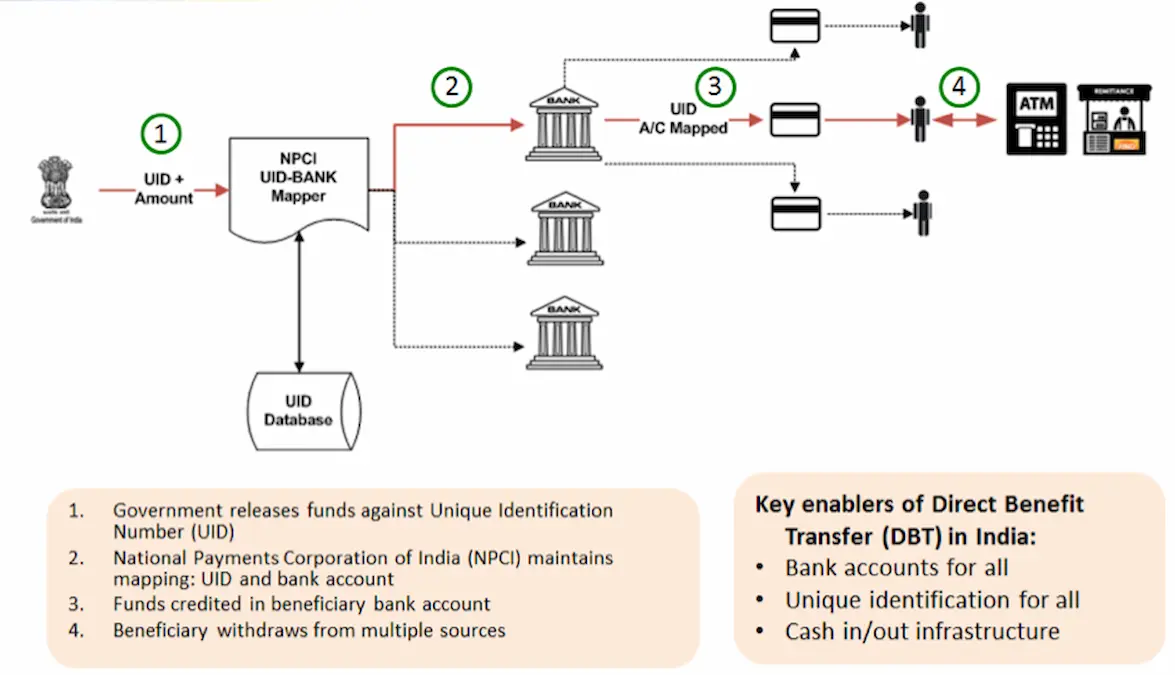
Direct Benefit Transfer (DBT), combined with Aadhaar and bank accounts, allows subsidies and welfare payments to flow directly to citizens. Leakages shrink, ghost beneficiaries are removed and citizens gain more control over when and how they use funds. Read the full deep-dive on DBT →
11. Democratization of Education
Online degrees from institutions like IIT Madras and free courseware via NPTEL are examples of digital public infrastructure for education. High-quality knowledge, once locked inside a handful of campuses, can now reach students in small towns or working professionals who cannot relocate. Read the full deep-dive on Education →
12. ONOS: Democratization of Research

One Nation One Subscription (ONOS) aims to negotiate national-level deals with publishers so that universities, researchers and students across the country can read research articles without each institution paying separately. This takes on paywalled knowledge monopolies. Read the full deep-dive on ONOS →
13. ONOE: Democratization of Elections
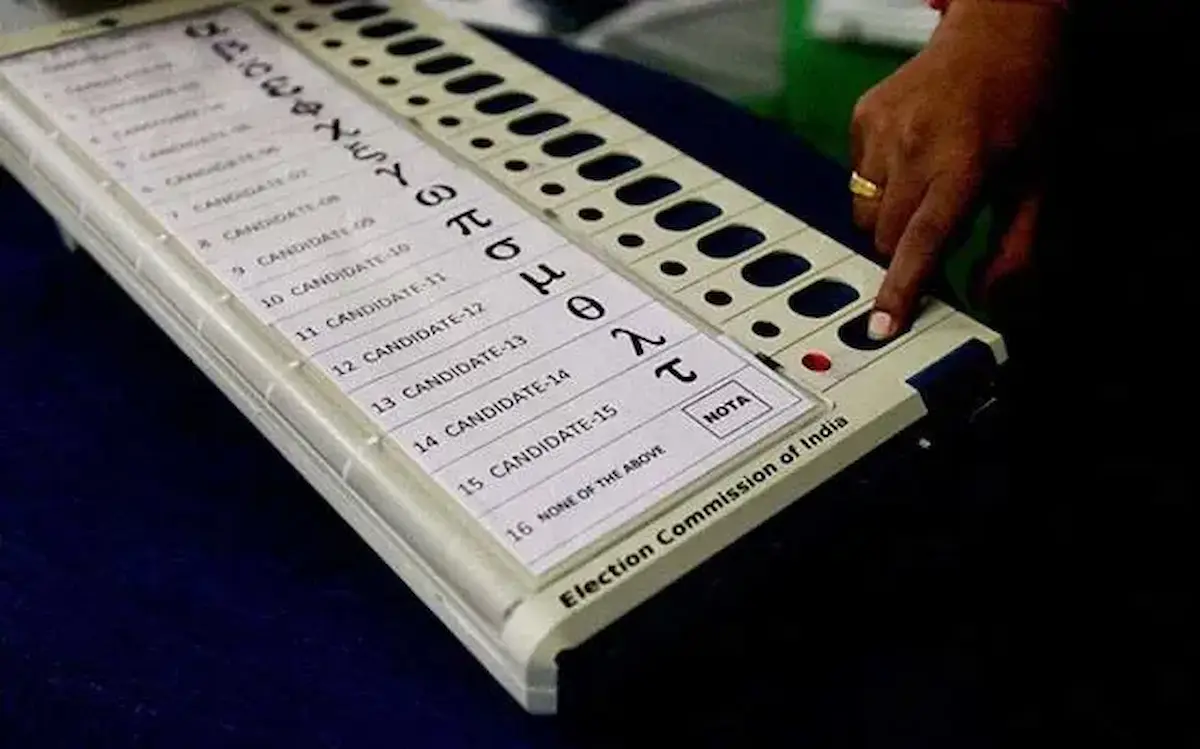
One Nation One Election (ONOE) is a proposal to synchronize elections at different levels of government. While still debated, the idea aims to reduce permanent campaign mode, cut costs and bring more predictability to governance cycles. Read the full deep-dive on ONOE →
14. ABHA: Democratization of Health Records
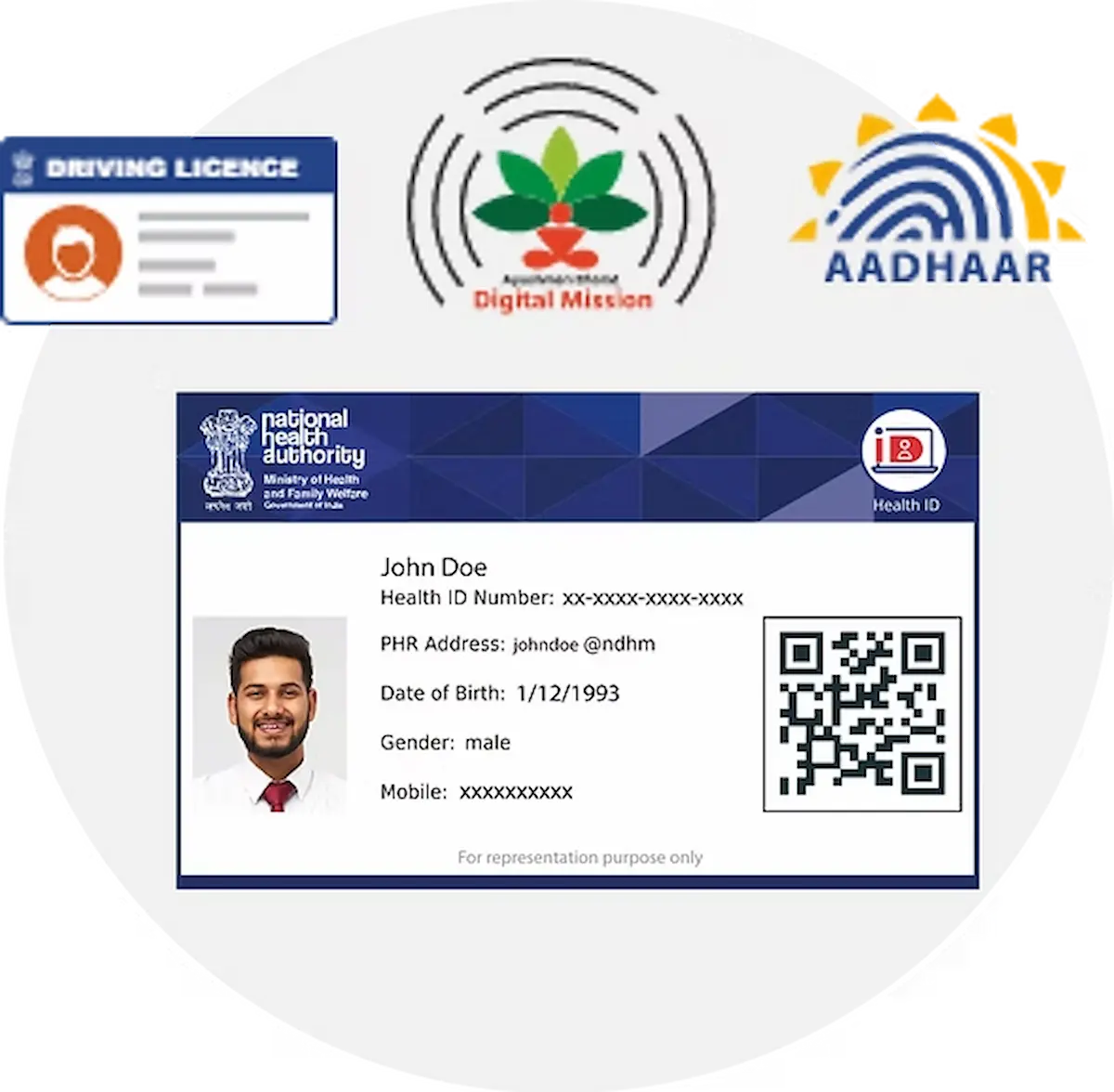
ABHA (Ayushman Bharat Health Account) gives individuals a digital health ID and the ability to consent to sharing medical records with hospitals, doctors or insurers. It shifts control over data from institutions to patients and improves continuity of care. Read the full deep-dive on ABHA →
Recommended tools & resources
If you want to explore India’s public infrastructure model deeper, these resources can help.
Disclosure: Links may be affiliate links. See Disclaimer.
Conclusion: A Blueprint for the World
Seen together, these 14 initiatives form a coherent strategy: build interoperable public rails and let many actors innovate on top. Each component of India Stack — from UPI to ABHA — follows the same design philosophy. The government builds the infrastructure, defines the standards, and ensures open access. Private companies, startups, and civil society build the applications. Citizens own their data and control who accesses it.
This is not a collection of isolated projects. It is an architectural choice — one that has implications for every country grappling with how to deliver public services at scale, how to break monopolies without breaking markets, and how to build digital infrastructure that serves citizens rather than extracting from them.
Explore the full series:
- UPI: Digital Payments
- ONDC: E-Commerce
- Aadhaar: Identity
- OCEN: Credit
- DigiLocker: Documents
- Digi Yatra: Airport Services
- iDEX: Defence Innovation
- GeM: Government Procurement
- ULIP: Logistics
- DBT: Welfare Delivery
- Education: Digital Learning
- ONOS: Research Access
- ONOE: Electoral Reform
- ABHA: Health Records